

Syd

IT’S SYD’S TURN
After two decades anchoring Odd Future, fronting The Internet, and shaping hits for industry heavyweights, Syd stepped into her own with her remarkable third solo album, ‘Beard.’ She and her closest collaborators tell the story of how she earned this moment.
Top: Commission NYC / Maximum Henry Belt / Spinelli Stack Ring This: Marni
By: Evan Nicole Brown
Photos: Quil Lemons
Fashion: Parker Harwood
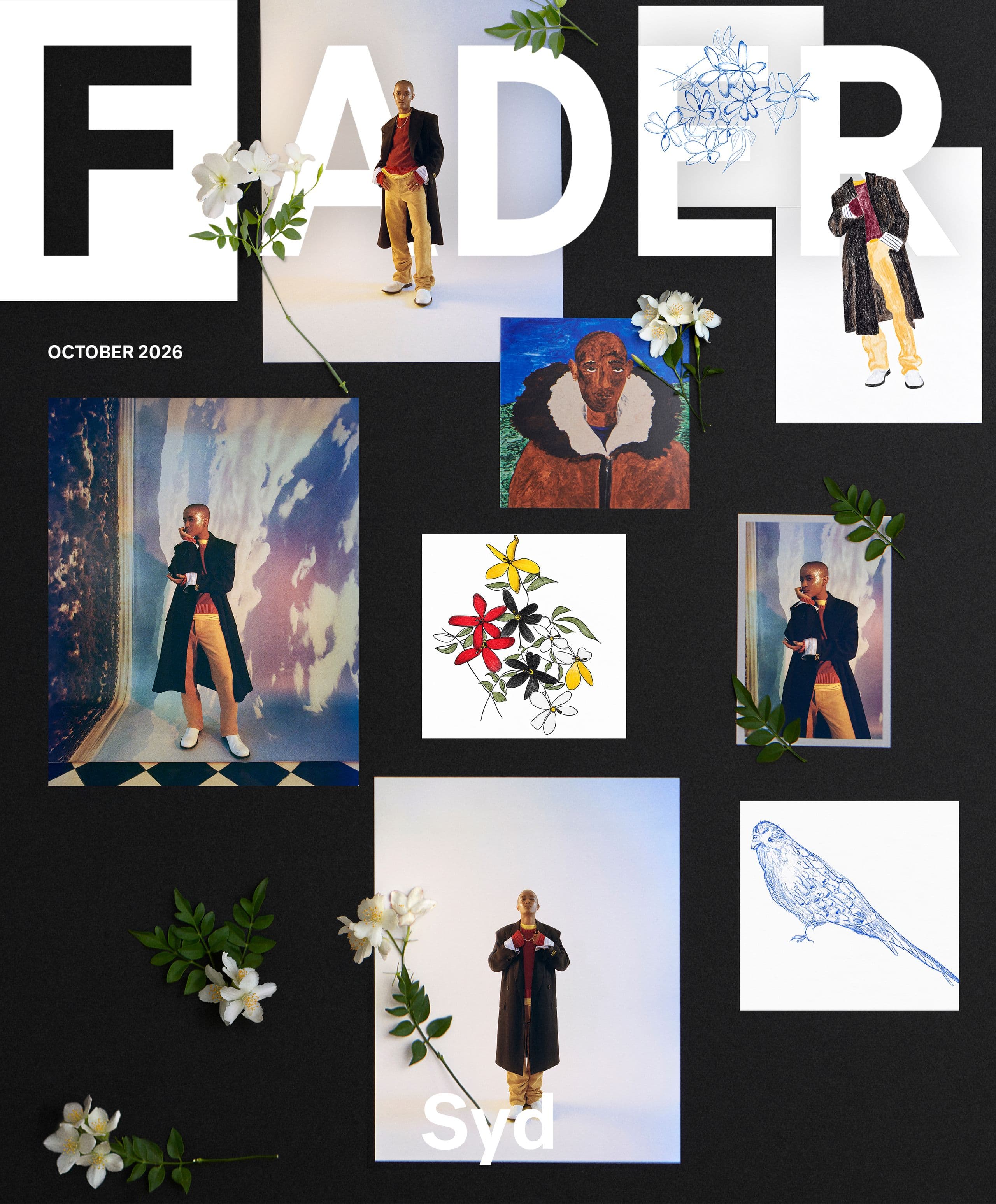
Illustrations: Mars Singleton
Shop the Syd Collection
When Syd, the artist first known to audiences as a member of hip-hop collective Odd Future (then a co-founder of offshoot band The Internet, and finally a solo artist unto herself), was a teenager still under her parents’ roof in Mid-City Los Angeles, she spent the lion’s share of her time in the home’s sunroom.
A light-filled, energy-rich enclosed space that branched out from her bedroom on the second floor, this “room full of windows” housed the singer-songwriter-producer’s first studio set up, and became the de facto gathering place for her friends who stopped by to record music, dream big, and hang out. A young entrepreneur, she started out offering engineering services and selling five-dollar studio time to her cohort of creative, doggedly ambitious homies, which included Tyler, the Creator, Earl Sweatshirt, Casey Veggies, Vince Staples, and countless others.
“I was outside as a kid. Up until 16 I was in the street playing basketball or football,” Syd tells me in a park on Los Angeles’ westside one afternoon. Wearing a version of her uniform — a pair of relaxed workwear pants and Converse (the default California shoe outpaced only by Vans, she jokes) — Syd punctuates conversation with a bright, childlike smile and maintains an easy posture, looking the same as she always has sans her former frohawk, which she has since traded for a buzzcut. “Once we got to high school is when I started venturing more into my computer.” As we sit side-by-side under the shade of a tree, cross-legged and quite literally touching grass, she is musing on the foundation of her career that has taken root and blossomed through many phases since those early days on her laptop in the house.
Perhaps unsurprisingly, the effortlessly laid-back and even-keeled Syd began her career behind the scenes. Once the sunroom could no longer hold all the sounds and ideas the menagerie of friends and friends-of-friends were cooking up in its warmth, she eventually expanded with a second studio set up in her parents’ guest house, which is on the second level of a detached garage in the backyard. “My parents never came up there,” Syd says, with gratitude. “They really gave us the space to express ourselves.”
Some 16 years later, this OG studio is where Syd returned to record her latest album, Beard, which was released this past July — four years after her last project. During that time between albums, she married her longtime partner, bought a house approximately 15 minutes away from where she grew up, and leaned into her passion for fostering dogs (the couple has taken in “about 24 or 25,” Syd tells me, adding: “[We kept] two of them… number 10 and number 14”).
Across Beard’s 12 songs, the artist’s third solo project explores themes of self-identity and love in its myriad manifestations, while turning on the conceptual axis of the ever-shifting journey that is evolution. On “2 Many Days,” one of the album’s standout tracks, Syd is wistful for the pre-fame years when her career was organically building in both the shadows and the sun, singing, “I been on it since MySpace, studio in the driveway.” It’s a deceptively simple yet potent reminder of how homegrown her artistry is, and how the nascent Web 2.0 era democratized the cultural landscape for so many young people who didn’t need much beyond a vision and an online profile to make a somewhat passive dream come true.
Syd doesn’t shy away from the fact that her career, in many ways, has been a series of happy accidents — the result of a creature of habit sticking to routine long enough for their artistry to take shape in earnest. A self-proclaimed homebody who is so tethered to the private spaces she’s created she prefers to mimic her daily life in Los Angeles even when she’s on the road, Syd is proof positive that staying true to oneself can resonate with the masses so long as authenticity remains at the center. “I don’t like living out of my suitcase,” she confesses, launching a lighthearted debate between us about whether or not hotels are more comfortable when you move all of your things into a room’s closets and drawers (anxiety-inducing for me, soothing for her). “I want to feel at home.
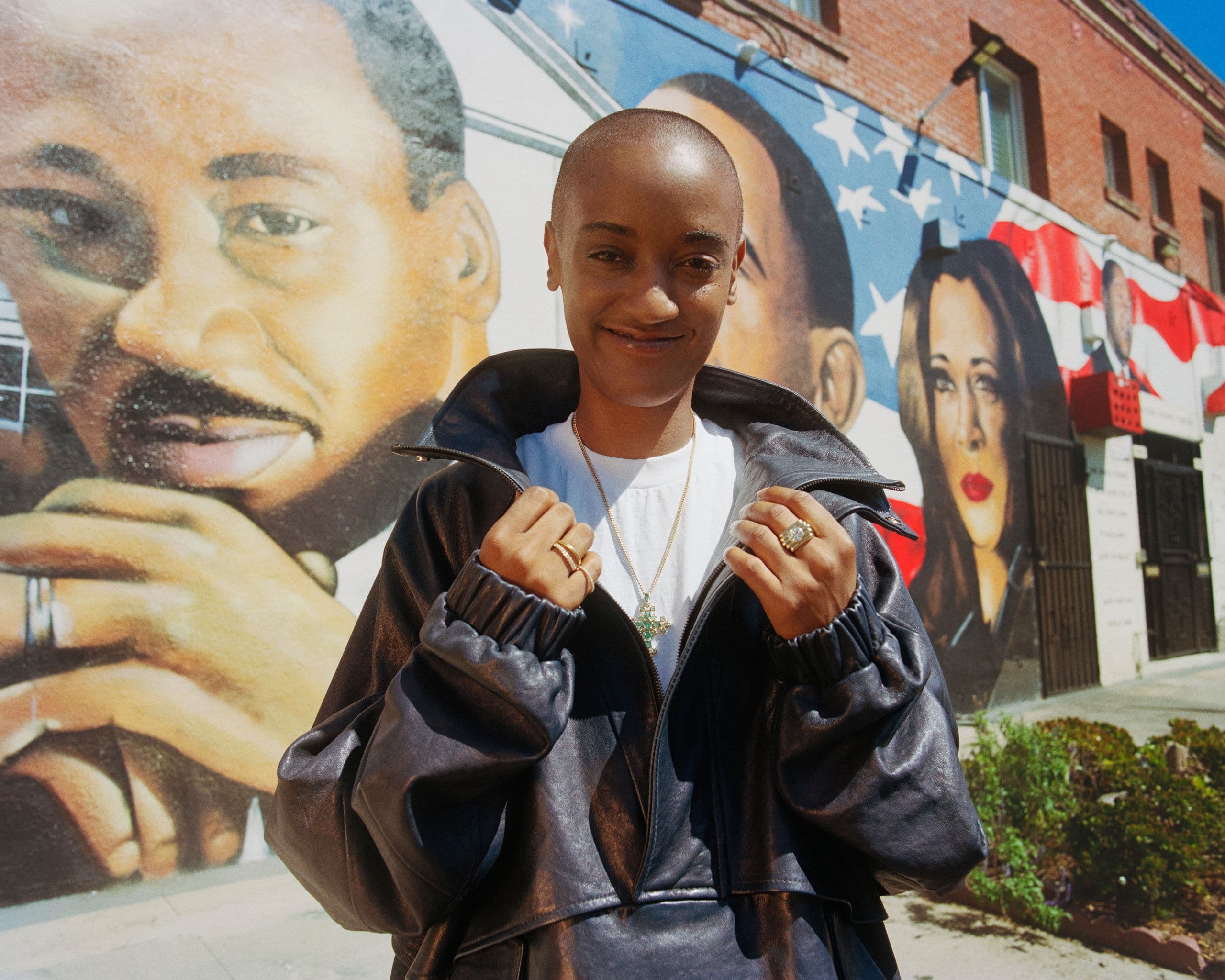
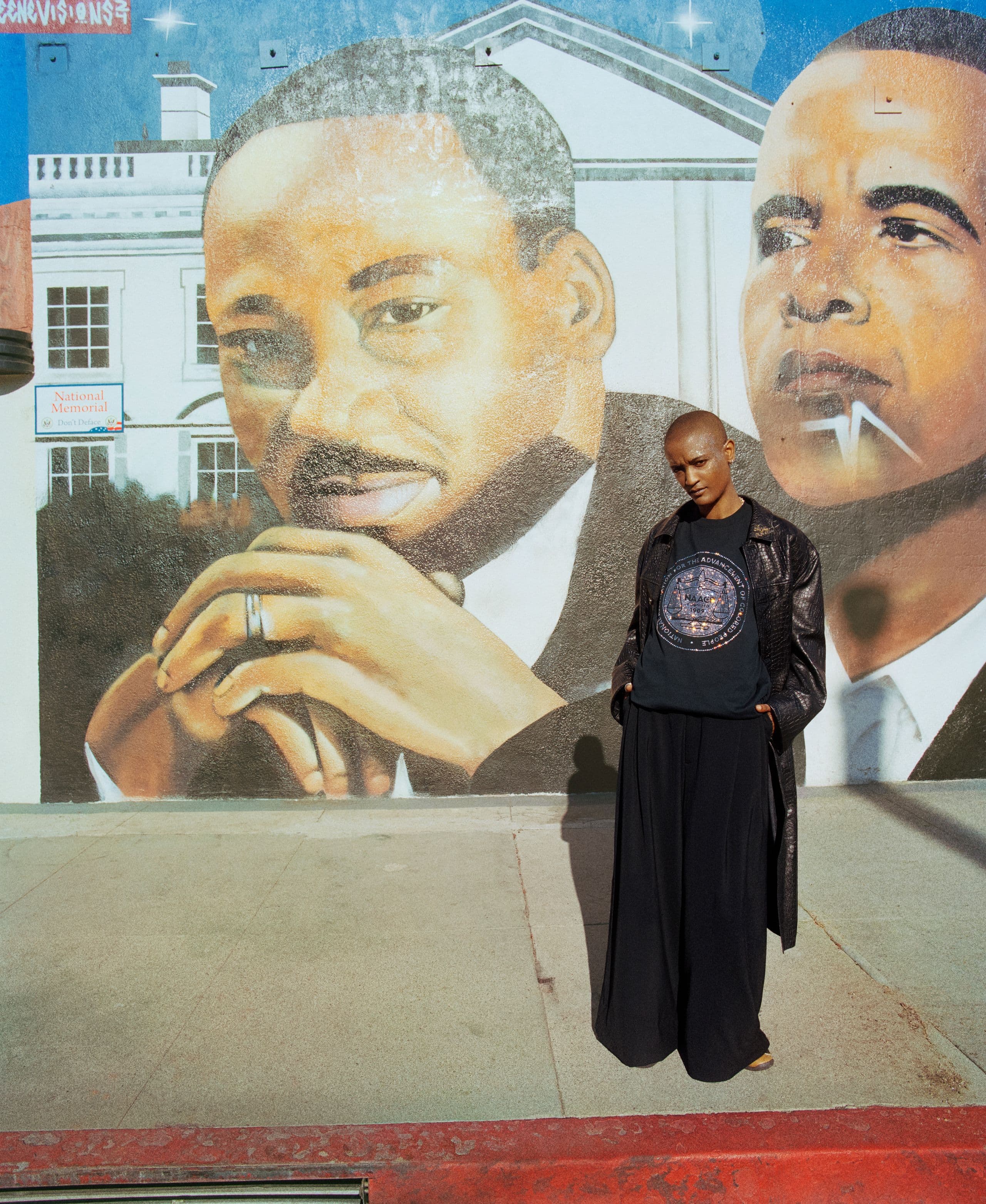
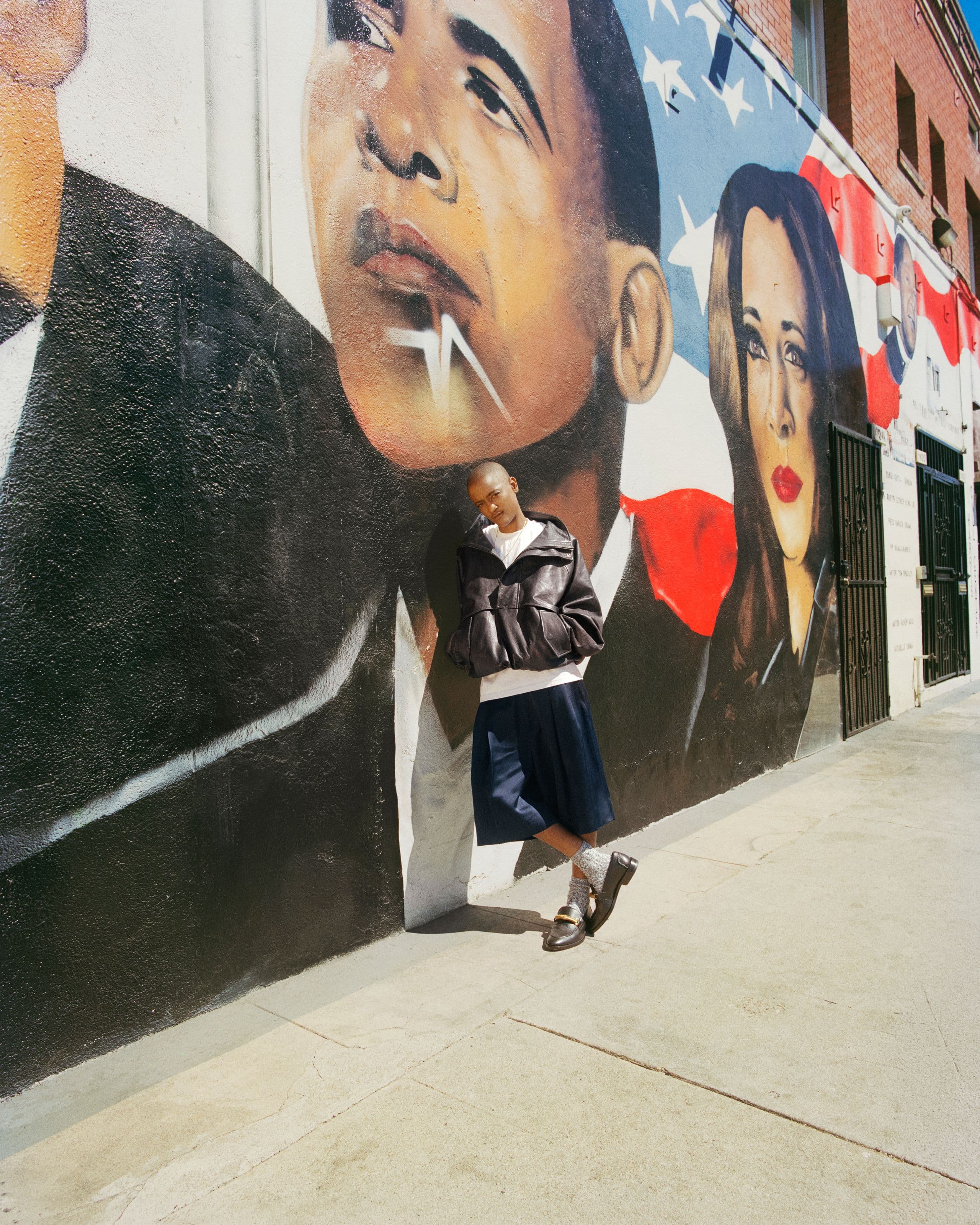
Beard is Syd at her most mature and self-assured, swimming in the sonic waters of an arrival at oneself after years of existing as part of a collective. At 34 years old, Syd has had a public career for half of her life, which means her perspective is not only impacted by the types of private memories we can all relate to, but also by a unique reality of documented performances, archival interviews, and evidence of her various professional and personal shifts along the way.
Growing up, Syd and her brother Travis Bennett were raised on their mother’s Sérgio Mendes and Les Nubians albums, and listened to Daft Punk and clean pop hits on Radio Disney during daily car rides on the way to school with their father. “She was like the neo-soul baby… [listening to] the albums that people look back on now and talk about as legendary,” Bennett, formerly known as Taco, says of his sister’s early sonic influences.
In her adolescence, Syd came into public consciousness as a member of Odd Future, which popularized a form of gritty, playful, alternative hip-hop that still reverberates today. This genre is seemingly a departure from the formative records that Syd grew up on, but categories aside, versatility has always been one of her greatest assets, which makes her path to a more mellowed out, soulful sound as a solo artist not the least bit surprising.
The West Coast has a long history of an underground, punk sensibility for gathering and creation — from L.A.’s independent jazz ensembles like the Pan Afrikan Peoples Arkestra to Orange County’s ska bands — and it was this attitude of improvisation, provocation, and DIY fun that catapulted Odd Future and its rotating cast of characters (rappers, DJs, hypemen, skaters, photographers, designers, producers) into the mainstream. So often, groups of young Black people are reductively rendered as troubled, wayward, nefarious “gangs” in mass media, but the beauty of OF (particularly in retrospect) was that they were upending these negative connotations radically and by accident, cementing themselves as legends of the blog era just by being real.
But when I search my mind for Syd in those early days, I can’t quite locate her. I knew she was there, but couldn’t exactly make out her contours — like a mirage that emerged and faded in and out of my line of sight. Was I not looking hard enough for the only woman in the group, who in many ways was an anchor for all of this to unfold, or did she not yet want to be found?
“It had to be hard to be the only girl in that group of n*ggas, who were ridiculously insane,” Bennett tells me over the phone. “For her to be mature enough to sit through these things for the amount of time she did… She’s dealt with it all and taken it with grace.” Reflecting on the era now, Syd calls it “a little trippy” to think about. “Spiritually I feel younger now than I did when all of that was happening during that whole era,” she tells me. “[But] I’m also able to appreciate it. There was so much growth that came from those times…energetically and personality-wise, we were a diverse bunch for sure.”
But Syd’s big break came with The Internet, the alternative R&B and soul band founded by Syd and Matt Martians in 2011 as one of the Odd Future collective’s many sub-groups. Their debut project, Purple Naked Ladies, a dreamy, jazzy, trip-hop effort, is what can best be described, in a word, as a “vibe.” 2013’s Feel Good came next, with the band later expanding to include guitarist Steve Lacy, bassist Patrick Paige II, and drummer Christopher Smith. In 2016, Syd covered this very magazine for the second time as part of The Internet, right as the band was reaching the peak of their powers following the release of 2015’s Ego Death — and beginning to branch out to pursue solo careers.
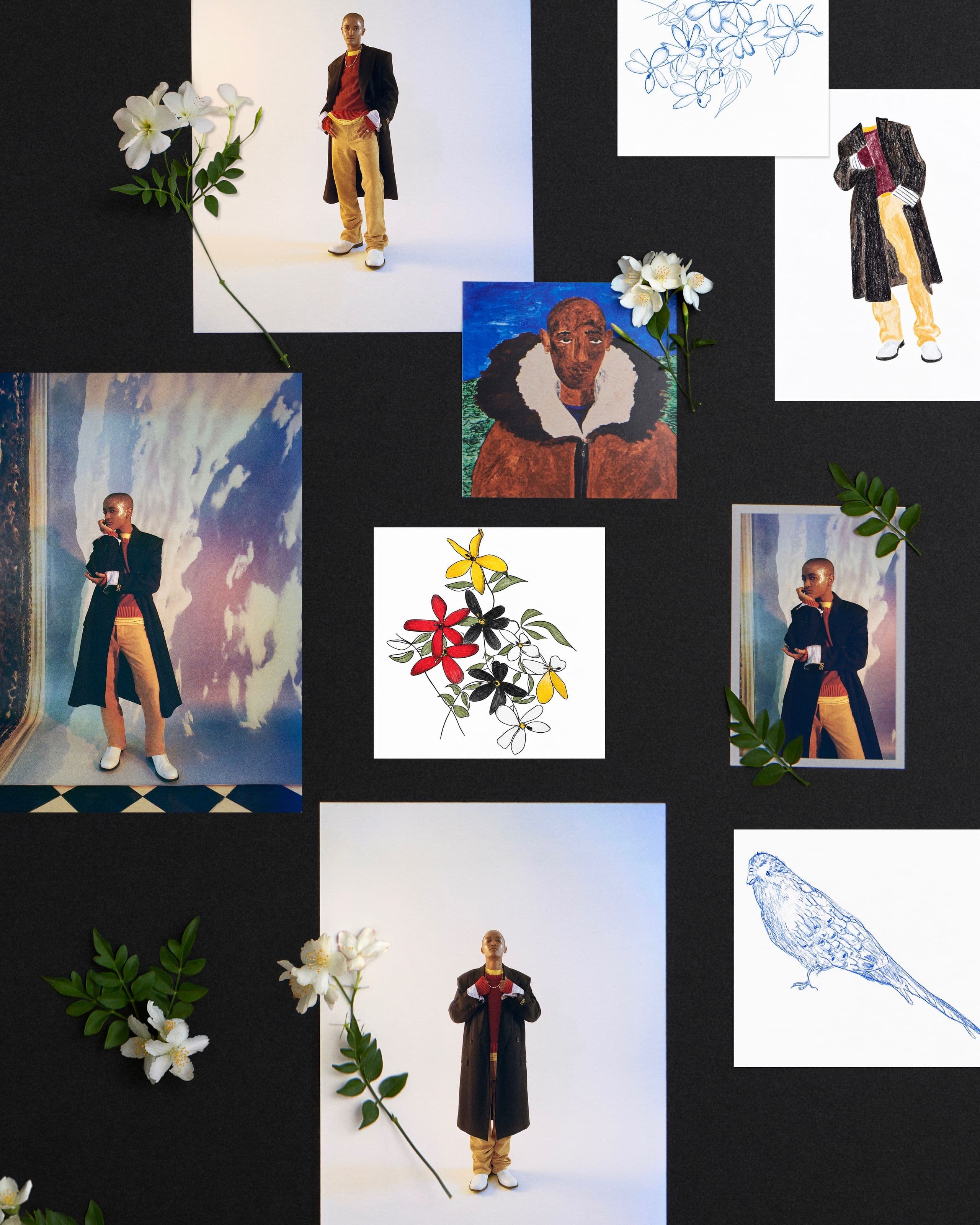
Syd says she never planned on being an artist and that the Grammy-nominated band’s ascent — and her own career writ large — has been a masterclass in rising to the occasion while learning along the way.
“I never dreamed of being the frontwoman of a band or a singer,” she says. “I do credit most of my success to my ability to just suffer through it. It was suffering when I was DJing in front of a crowd when I had never DJ’d for people before. I taught myself how to DJ two months before I started touring with Odd Future. Doing that was the worst anxiety ever. Singing, too. I started a band because I wanted to write some songs and didn’t know enough singers to sing my songs. Now [it’s like], we got a show and they’re offering us $3,000 so I’m gon’ figure it out. Now I’m singing in front of people. It took probably 10 years of doing that before the worst anxiety ever started to subside.”
The singer, known for her trademark whisper vocals and crafting songs that seemingly float into a room like an apparition, didn’t grow up singing. And she was often misunderstood as shy simply because she was quiet. But her lack of impulse to be at the center didn’t mean she had a lack of interest in being heard: “I was self conscious about how I looked and things like that, but on the inside I was very confident in who I was.”
Syd went solo in 2017 with her album Fin. After one more Internet album, Hive Mind, the musician went into a period of heads-down, behind-the-scenes toiling away accruing production credits for peers like James Blake, Mac Miller, Anderson .Paak, and Kehlani, just to name a few. She surfaced briefly to drop 2022’s Broken Hearts Club, and that same year placed “PLASTIC OFF THE SOFA” on Beyoncé’s much-heralded Renaissance.
In the four years since, much of Syd’s life was spent out of the spotlight and behind the scenes by choice, working on Beard, chipping away at the forthcoming Internet album, writing and producing for other artists, and spending most of her days in the backyard with her dogs, watering her plants, and restoring her small collection of vintage trucks. Her ideal day is spent outside with nothing on her calendar, so she can move fluidly between work, leisure, hobbies, and play. Her garage is decked out with a television and gym, and filled with paint supplies (the singer took up painting when she realized she wanted more art on her walls). “It’s my flex space,” she says of the room that’s become her artist studio. “My fantasy factory.”
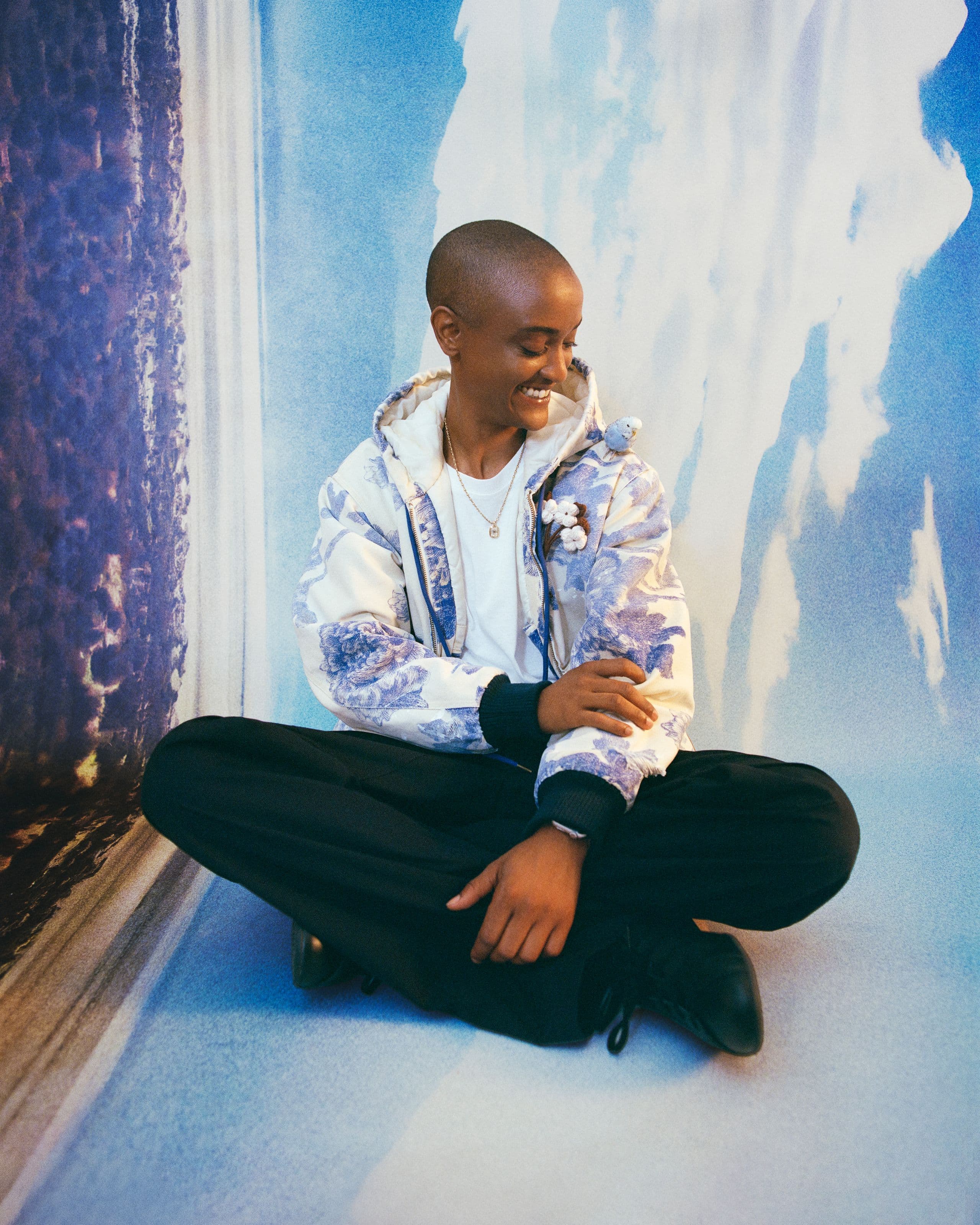
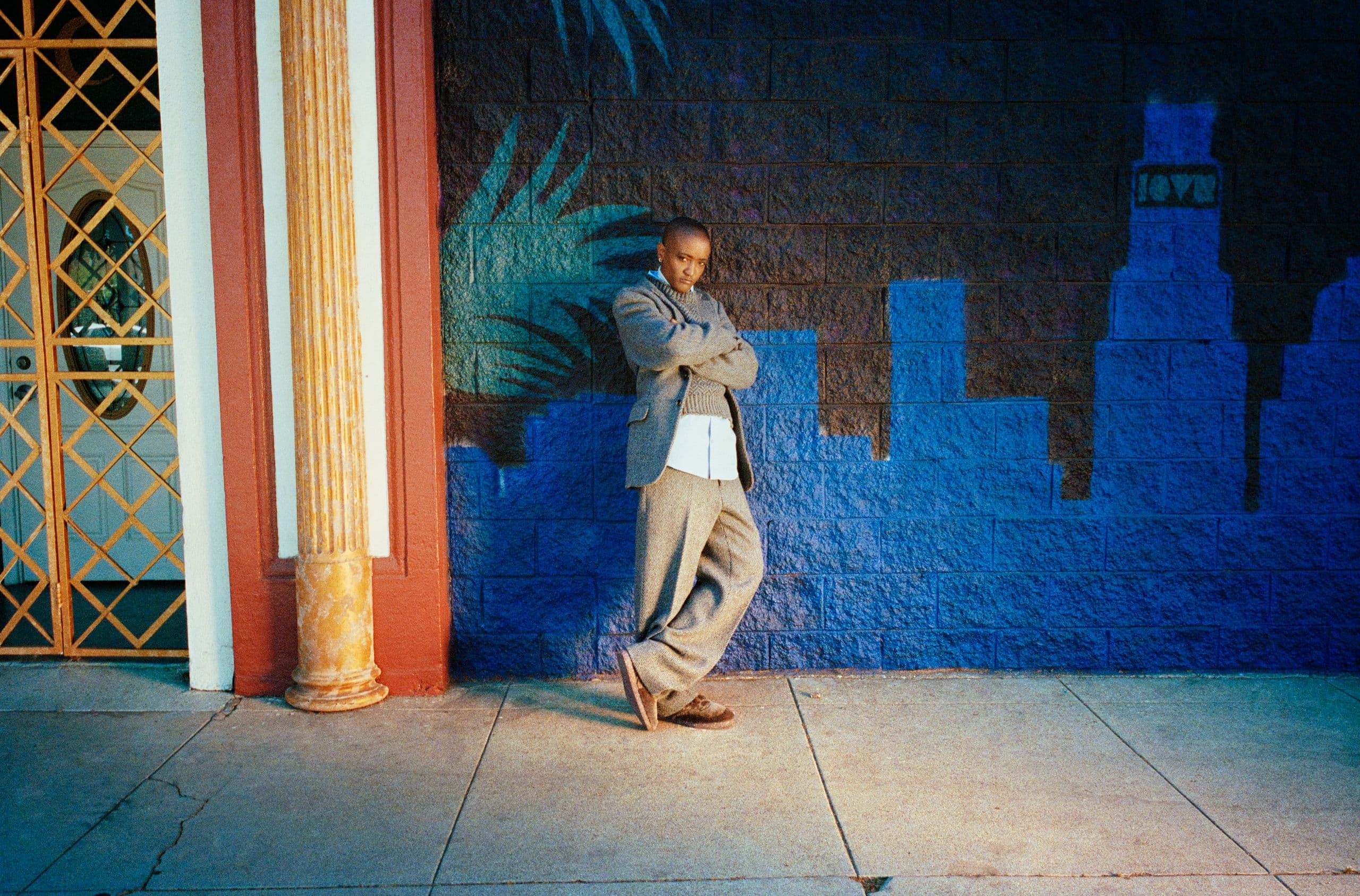
“I never dreamed of being the frontwoman of a band or a singer,” she says.“I do credit most of my success to my ability to just suffer through it.”
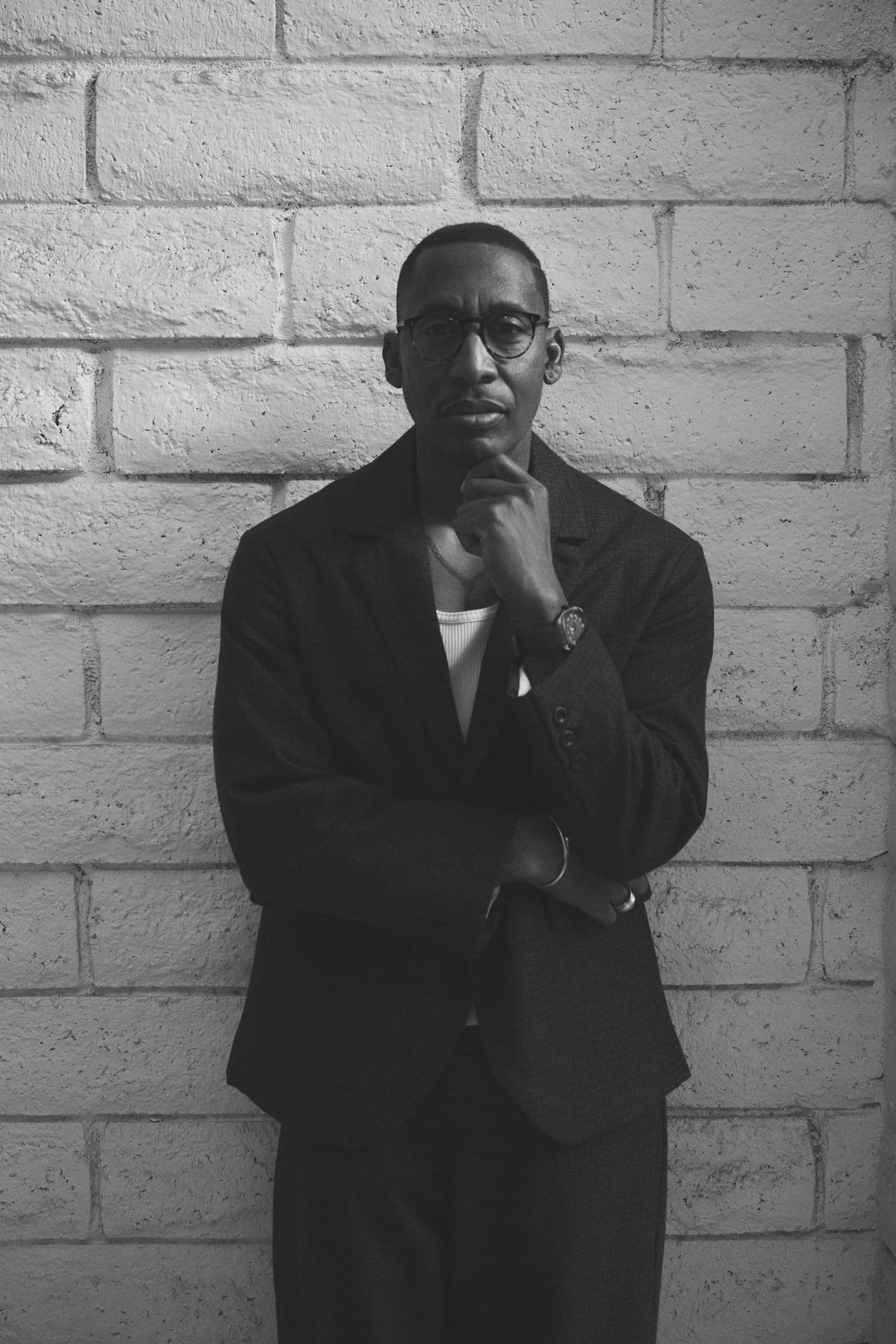
“Syd listens to music for melody a lot, before she even thinks about singing.She’s more of a thinker.She can see the end, you know, in the beginning.That’s what producers do.”—Raphael Saadiq
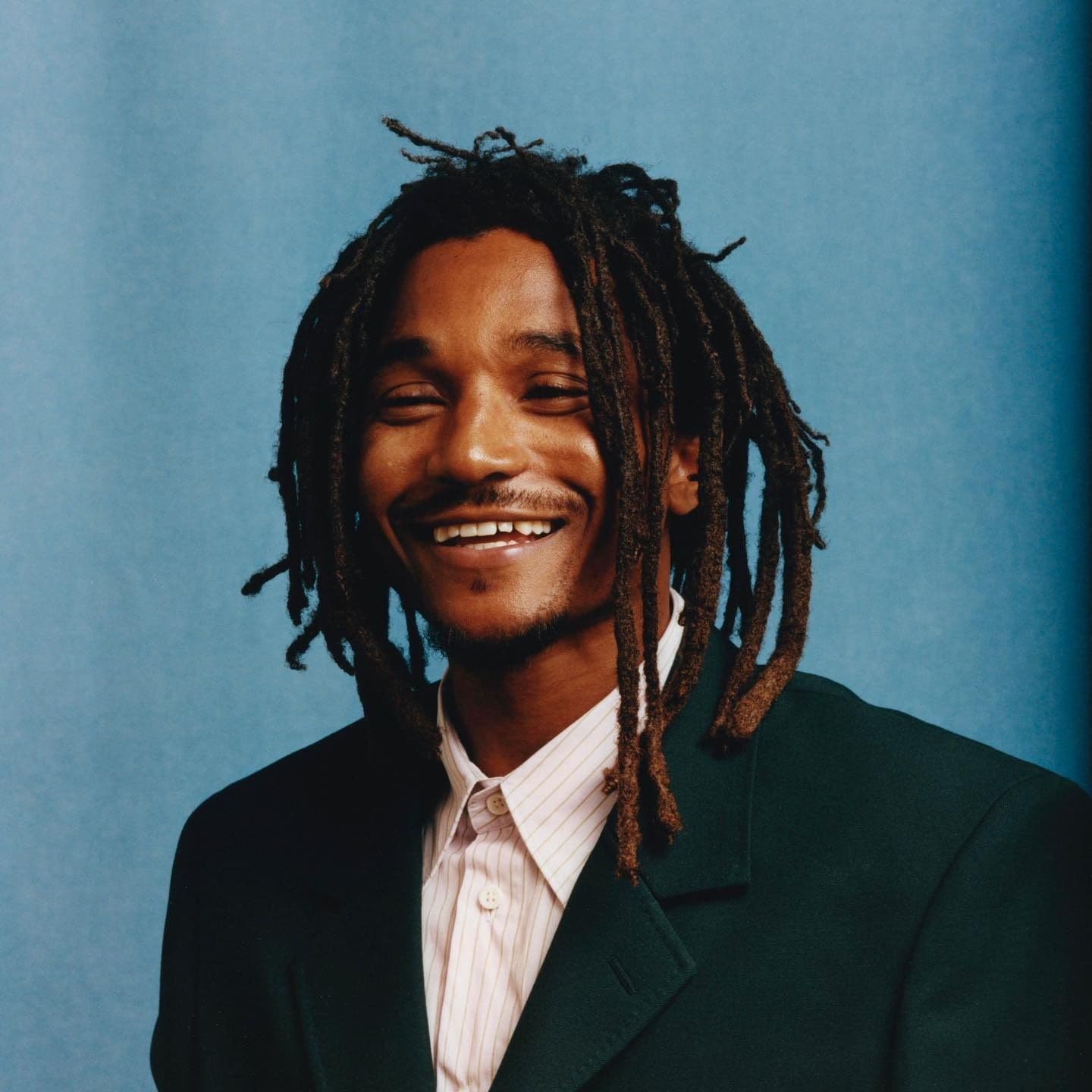
“I’ve always looked up to, admired, and been inspired by [her], whether it was her solo work or her work with The Internet. Her vocal performance and the instrumentation and the chords she uses all pull at me emotionally. It’s just how organic everything feels, how raw her voice is, and the simplicity she implements. Her minimal approach is super effective.”—Jordan Ward
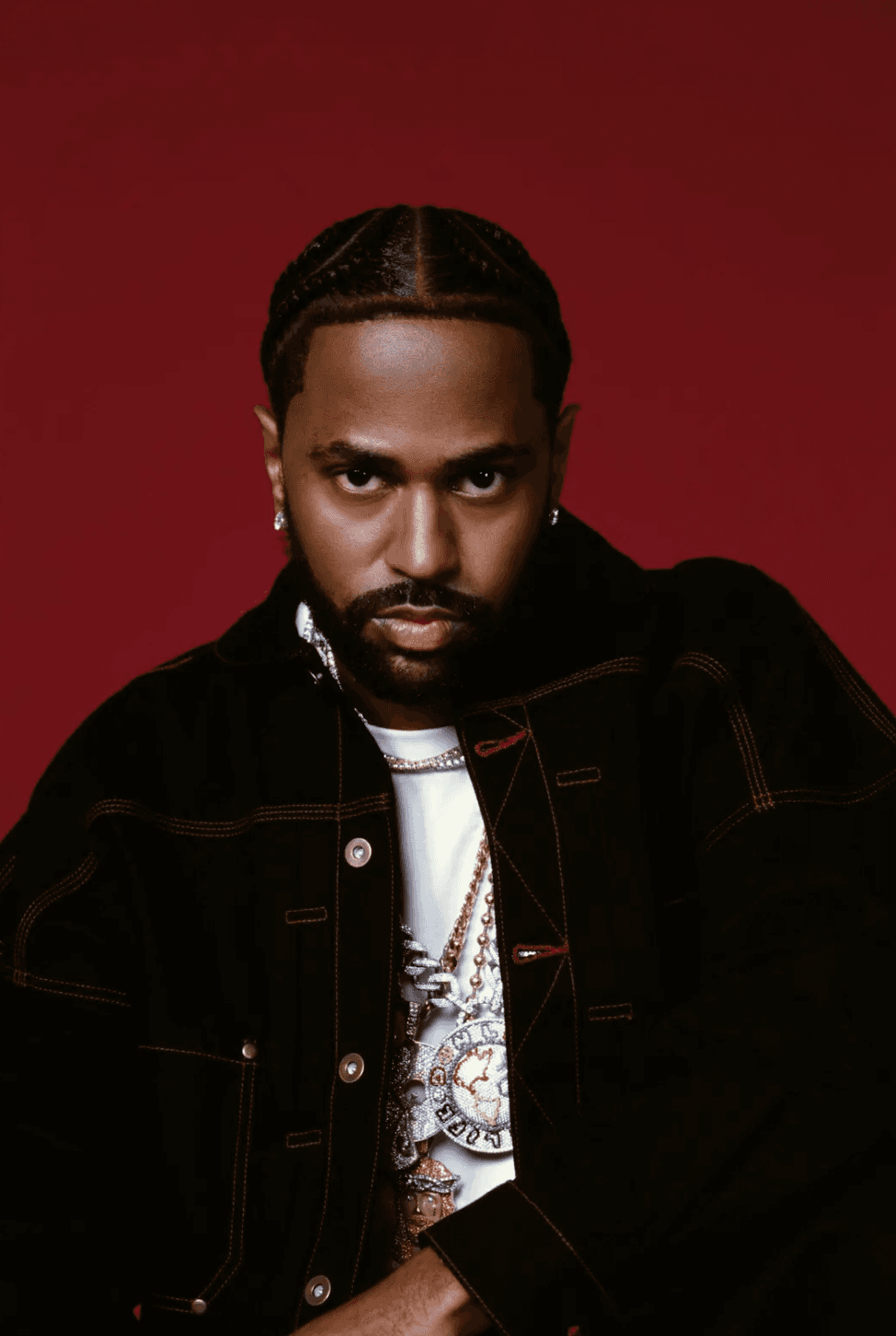
“She’s modest, very masterful, calm, and sweet. She really tries to contribute as much as she can. I feel like people who know how to be a team player are some of the best artists to me. Because they don’t have the biggest ego or feel like they’re too big or too small for anything. That’s what it takes to truly be a great leader and a great artist and a great collaborator. [Syd’s] all those things. She deserves the whole world.”—Big Sean
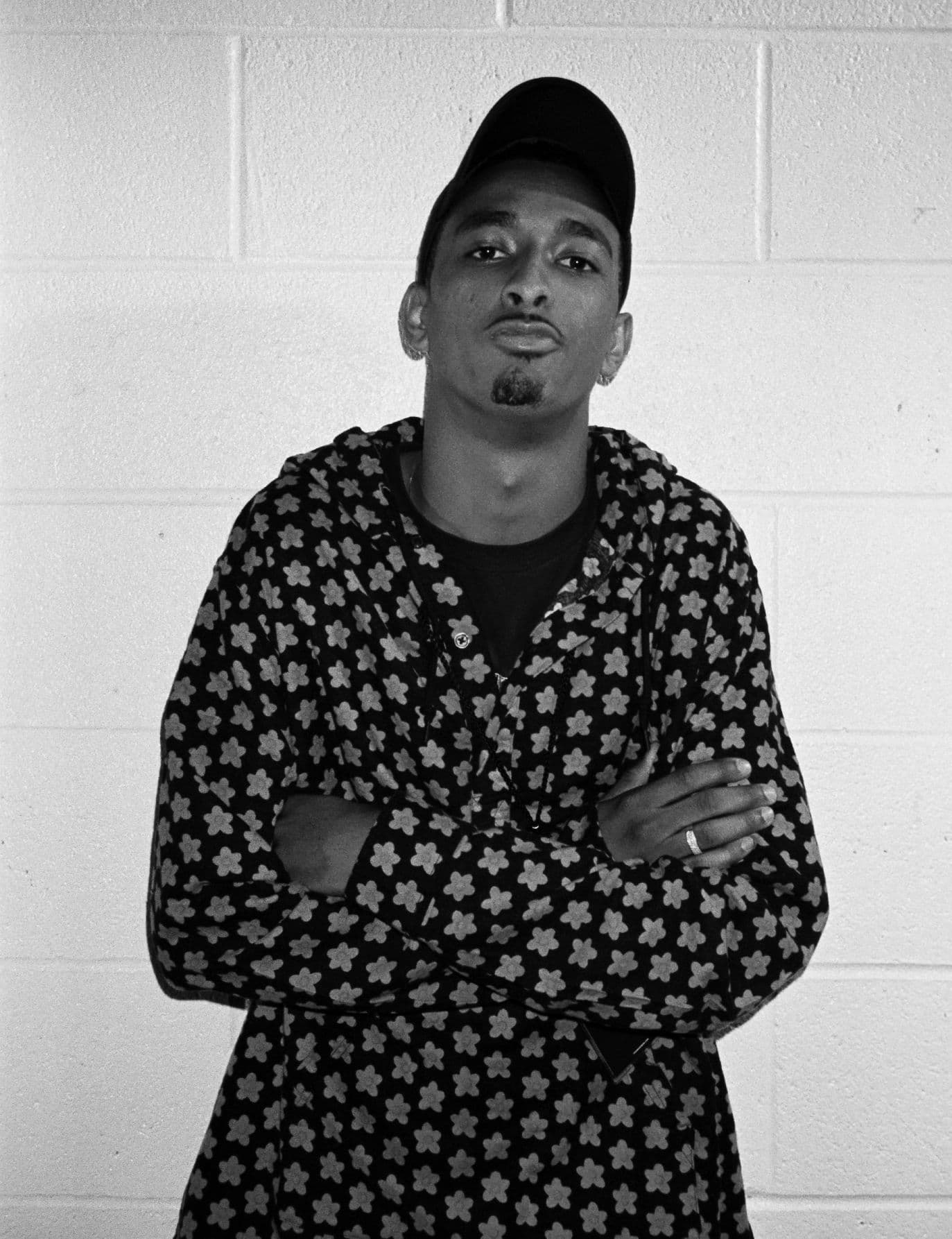
“She’s just done everything I didn’t expect her to do as far as who I know her to be, [which is a] more quiet homebody. For her to evolve from that to where she is [now]…she is truly a caterpillar that turned into a butterfly. That couldn’t be more of a metaphor for her.”—Travis Bennett
“I was self conscious about how I looked and things like that, but on the inside I was very confident in who I was.”
“As a Black, queer woman, I do feel a responsibility [to lead by example]. But I only feel that responsibility to myself.”
It makes sense then that the record she considers to be her “most honest out of the three” was made as she slowly found home in her sanctuary. Sanctuary can be defined in many ways: a house, a church, the studio, an embrace. On Beard, she seems to find comfort in the sanctuary of self. The magic of Syd’s songs is that they sound like they’re meant for her to sing them, as if she writes precisely for the pocket of her own voice. She admits she used to view this proclivity as a bit of a roadblock, making it occasionally difficult to place songs with other artists; her first solo album, Fin, was filled with songs she’d written to give away. “That’s why this album, Beard, feels the most personal,” she says. “I wrote all of these songs for me to sing.”
Beyond lyrics like “I know I can be a menace / sort of inconsistent sometimes / make you question your opinion / I know I be trippin’ don’t lie” on “Jasmin 17” being written specifically from her own lived experience, Beard is also a personal album because it was created fully in the universe Syd created for herself — sonically, conceptually, and literally in the place she feels most safe: the crib. The blurry, black-and-white portrait on the album’s cover was shot in her garage, and the majority of the tracks were recorded between her home studios.
“Maybe it’s a do-it-yourself spirit that I have where I’m just like, We could do this at the house,” she says. “Personally, I think I thrive more in relaxed energies and spaces.”
The artists she tapped to feature on the album reflect how much wider her community has grown over the years, people she not only considers peers but with whom she’s cool outside of music, too. Big Sean, who lent a verse to Beard’s lead single “GMFU,” also coincidentally broke out in 2007, making his and Syd’s paths in music parallel albeit separate and distinct. “It’s like we grew up together but with space in between us,” he says, adding: “When we finally got to collab I was super excited. [Syd’s] not one of them people that just says ‘let’s get in the studio’ on some industry shit and dips off. I appreciate her for being authentic.” Jordan Ward, a fellow R&B artist whose smoky, effortless style feels like a natural fit for the sultriness of Syd’s production, was a fan of his collaborator far before he knew her personally. “Her vocal performance and the instrumentation and the chords she uses all pull at me emotionally, it always feels very intimate,” he says.
Syd also collaborated with Raphael Saadiq, who served as a mentor and co-producer on some of Beard’s tracks. Calling from somewhere in the Hollywood Hills, he describes her as “mad cool…always with a little joint in her right ear,” which made it easy for them to work together. “She would listen to music for melody a lot before she would even think about singing. She’s more of a thinker. She can see the end in the beginning, and that’s what producers do.”
Her foundation as an engineer has sharpened her ear and made her attuned to all aspects of the song-making process. Recording vocals, in fact, is Syd’s least favorite part of making music. “I record in private,” she says. “That’s where I have to be [most] disciplined in my career. There’s so little control with the voice. There’s control, but half of it is an illusion of control, because your body is the instrument.” Though I’m initially surprised to hear how much of Syd’s singing is the result of a sense of duty, on second thought, I realize it might be the reason her vocal performances feel so raw. You can hear her solitude in her songs, unencumbered by the approach of a singer trying to perform lyrics.
“If I’m sad I can’t sing or I’ll start crying,” she adds. “You’ll know I’m in a good mood if I start stimming random vocals. When I’m not in a good mood you won’t hear me at all.”
“I feel like most genres are soul music. Everything except for maybe AI music.”
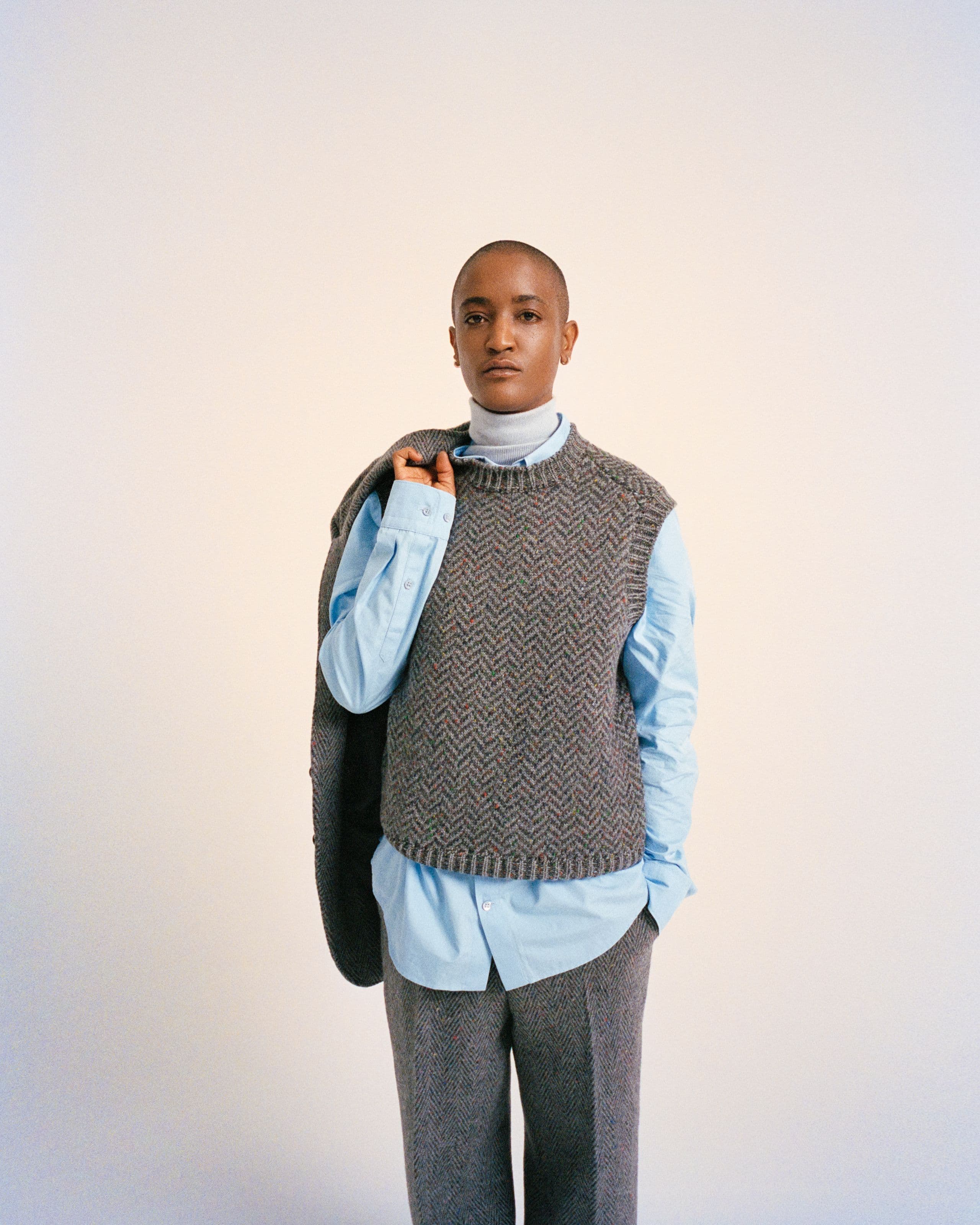
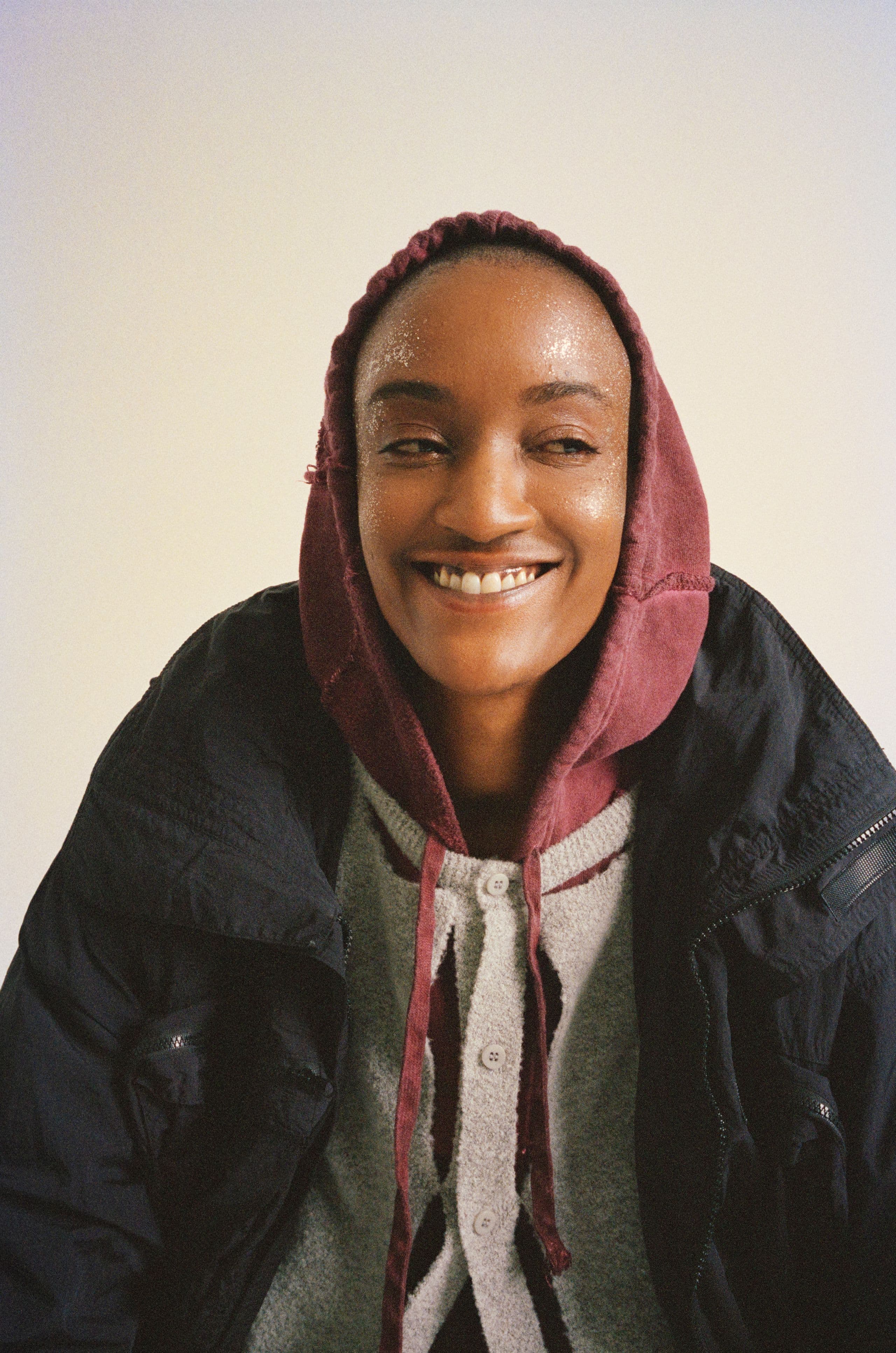
“Honestly, we pride ourselves on keeping ourselves together and staying together,” she adds of the band, describing them as her family. “We’re really proud of the fact that we’ve been able to keep our band together.”
When I ask Syd about her relationship to labels (both in terms of how her music is categorized and how identity exists as a “genre” of sorts as well), her answer is appropriately nuanced, taking into account the spectrum of experiences that informs how we define our output — and ourselves.
“I think on a human level, we all have a responsibility to live and let live. And as a Black, queer woman, I do feel a responsibility [to lead by example]. But I only feel that responsibility to myself. I don’t feel it to the public. I try to make myself proud and do things I know I’ll feel right with. I’m not an activist, I just try to be on the right side of history.”
Musically, she resonates most closely with the genre of soul, because “I try to put some of my soul into everything that I make. I feel like bossa nova is soul, house is soul music, I feel like most genres are soul music. Everything except for maybe AI music,” she adds, as she falls into a fit of laughter.
Recently, Syd’s been rehearsing for Beard’s upcoming U.S. tour dates with her band in her garage, taking full advantage of L.A.’s evergreen weather. Soon, she’ll turn her attention to rolling out another project. Fans of The Internet who’ve been waiting for the band’s return will be rewarded for their patience next year with a new album, Martians, Lacy, and Syd confirmed earlier this year to the New York Times.
“We’re actively working on it. The music is there. We just need to lock in and finish a few things up, do some background vocals and stuff,” Syd says.
The band actually started making the album years ago, but didn’t turn their full attention to the music until everyone’s solo albums were completed. They’ve spent the last several years figuring out how to distinguish the music not only from their past projects but also from their solo ones. Syd, who says the last few years was an endeavor to “define myself outside of the group,” finds it fun to “switch brains” for each of the projects.
“Honestly, we pride ourselves on keeping ourselves together and staying together,” she adds of the band, describing them as her family. “We’re really proud of the fact that we’ve been able to keep our band together.”
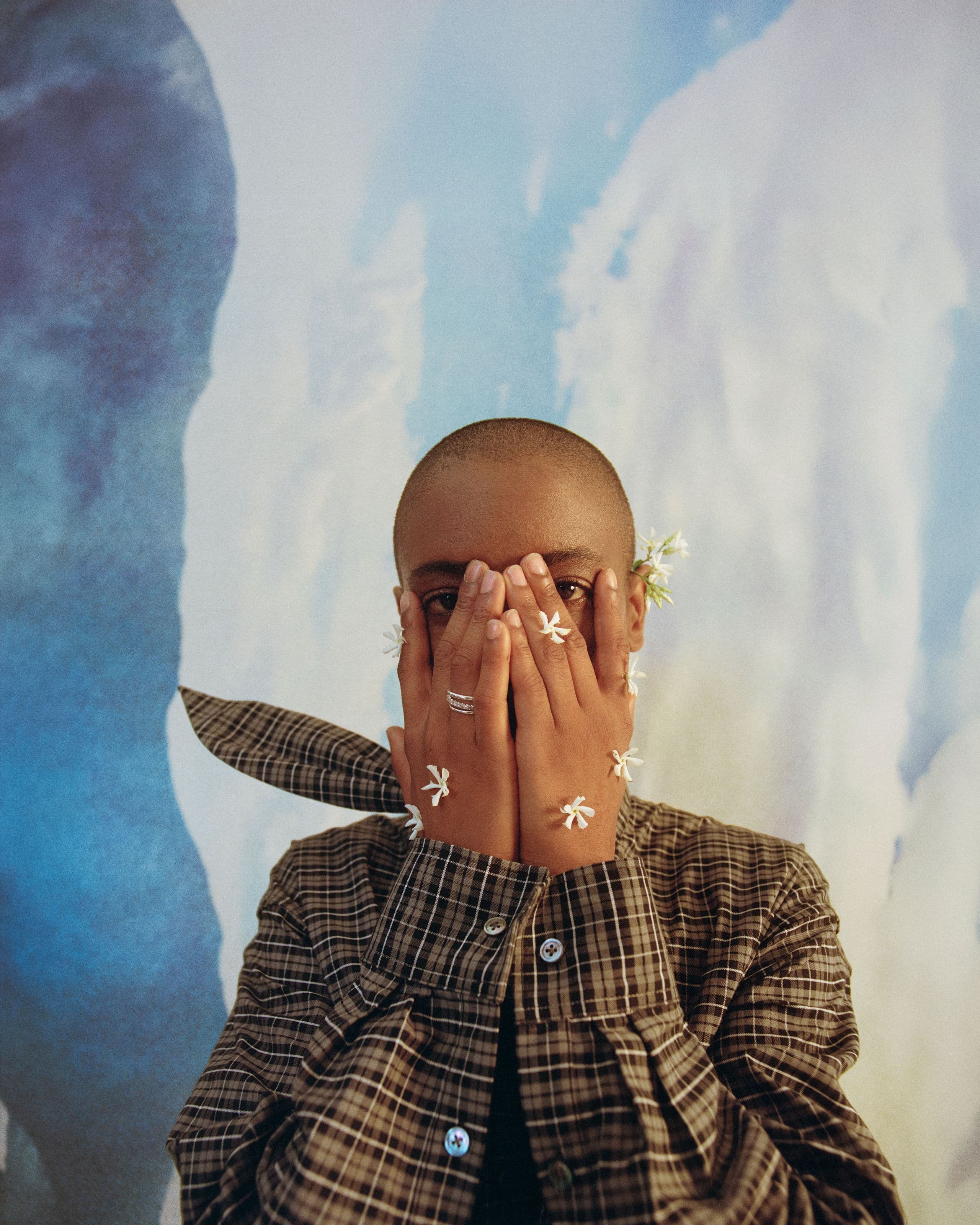
“I wroteall of thesesongs forme to sing.”
After nearly two decades of friendship with the Odd Future crew, being a bandmate as part of The Internet, and rising as a solo artist, Syd only recently began to really take notice of how much her life has changed. She hit her late 20s, then her early 30s, “looked up, looked around, and was like, ‘Oh nice.’”
“She’s just done everything I didn’t expect her to do as far as who I know her to be, [which is a] more quiet homebody,” Bennett says of watching his older sister’s transition from an engineer behind the scenes to a solo artist. “For her to evolve from that to where she is [now]…she is truly a caterpillar that turned into a butterfly. That couldn’t be more of a metaphor for her.”
Syd has been calling the current life season she’s in her “acceptance of self” era, which has been made possible by a career full of lessons and accidental experiences. “In hindsight it’s dope,” she says. “When you’re growing up and every phase is documented it can feel like, Agh, dammit! You guys caught my ugly phase! But it’s all a part of life.”
During our picnic-style meet-up, Syd and I were constantly fidgeting, shifting our weight from one leg to another so as to not let either of our feet fall asleep. We didn’t really acknowledge it, but there seemed to be a wordless understanding. In a strange way this made it plain for me how Syd’s subtle focus and groundedness made her into the artist and collaborator she is today. As our conversation slowed around the two hour mark and it was finally time to stand up, Syd rose more quickly than I did, as I, still seated, confirmed that my audio recording had saved. Without missing a beat, she extended her hand to help me up, her innate nature as a supporter, as someone whose default is to move in consideration of the collective, coming into full and clear view.
Additional Credits:
Grooming: Marcela Osegueda
Producer: Farah Idrees
Stylist Assistant: Christine Vuong
Photo/Lighting Assist: Christopher Martin
BTS capture: Brandon Banks
Tailor: Mayda Habibian
Market Editor: Pascia Sangoubadi
BACK TO THEFADER.COM